Tattoo Aftercare Guide for Faster Healing and Better Results
Getting a new tattoo is an exciting experience, especially when the artwork carries personal meaning and artistic value. However, many people focus only on the tattoo session itself and forget that proper aftercare is equally important. A beautiful tattoo does not end when the artist finishes the design. The healing process plays a major role in determining how the tattoo will look in the long term.
Good tattoo aftercare helps the skin recover properly while protecting the tattoo from infection, irritation, fading, and uneven healing. Whether you have a fine line tattoo, ornamental tattoo, full sleeve tattoo, or large-scale custom artwork, proper care during the healing process is essential for maintaining clean lines, vibrant shading, and overall tattoo quality.
For many travelers getting tattooed in Bali, aftercare becomes even more important because of the island’s tropical weather, beach activities, humidity, and strong sun exposure. Understanding how to care for a fresh tattoo can help ensure faster healing and better final results.
Why Tattoo Aftercare Is Important
A tattoo is essentially a controlled wound created by needles inserting ink into the skin. After the session, the skin becomes sensitive and vulnerable while starting the natural healing process.
Without proper care, a tattoo may experience:
- Infection
- Excessive fading
- Uneven healing
- Irritation
- Scarring
- Loss of detail
- Dry or cracked skin
Good aftercare helps protect the tattoo while supporting the skin’s recovery process naturally.
Professional tattoo artists always provide aftercare instructions because healing directly affects the final appearance of the artwork. Even the best tattoo design can heal poorly if it is not cared for properly.
The First Few Hours After Getting Tattooed
Immediately after the tattoo session, the artist usually cleans the tattoo and covers it with protective wrapping or bandage. This covering helps protect the fresh tattoo from bacteria, dirt, and friction during the first hours.
It is important not to remove the bandage too early unless instructed by the artist. The covering helps reduce exposure while the skin is still highly sensitive.
Once it is time to remove the wrapping, always wash your hands first before touching the tattoo area.
Gently clean the tattoo using:
- Lukewarm water
- Mild fragrance-free soap
- Clean hands only
Avoid using rough towels, sponges, or excessive rubbing. Fresh tattoos should always be handled gently.
Keep the Tattoo Clean
Cleanliness is one of the most important parts of tattoo aftercare. During the healing process, bacteria can easily irritate the skin if the tattoo is not cleaned properly.
Wash the tattoo gently around two to three times per day depending on the artist’s recommendation.
When cleaning:
- Use clean hands
- Avoid harsh soap
- Do not scrub the area
- Pat dry gently with clean tissue or soft towel
Keeping the tattoo clean helps prevent infection while allowing the skin to breathe naturally.
Moisturizing the Tattoo Properly
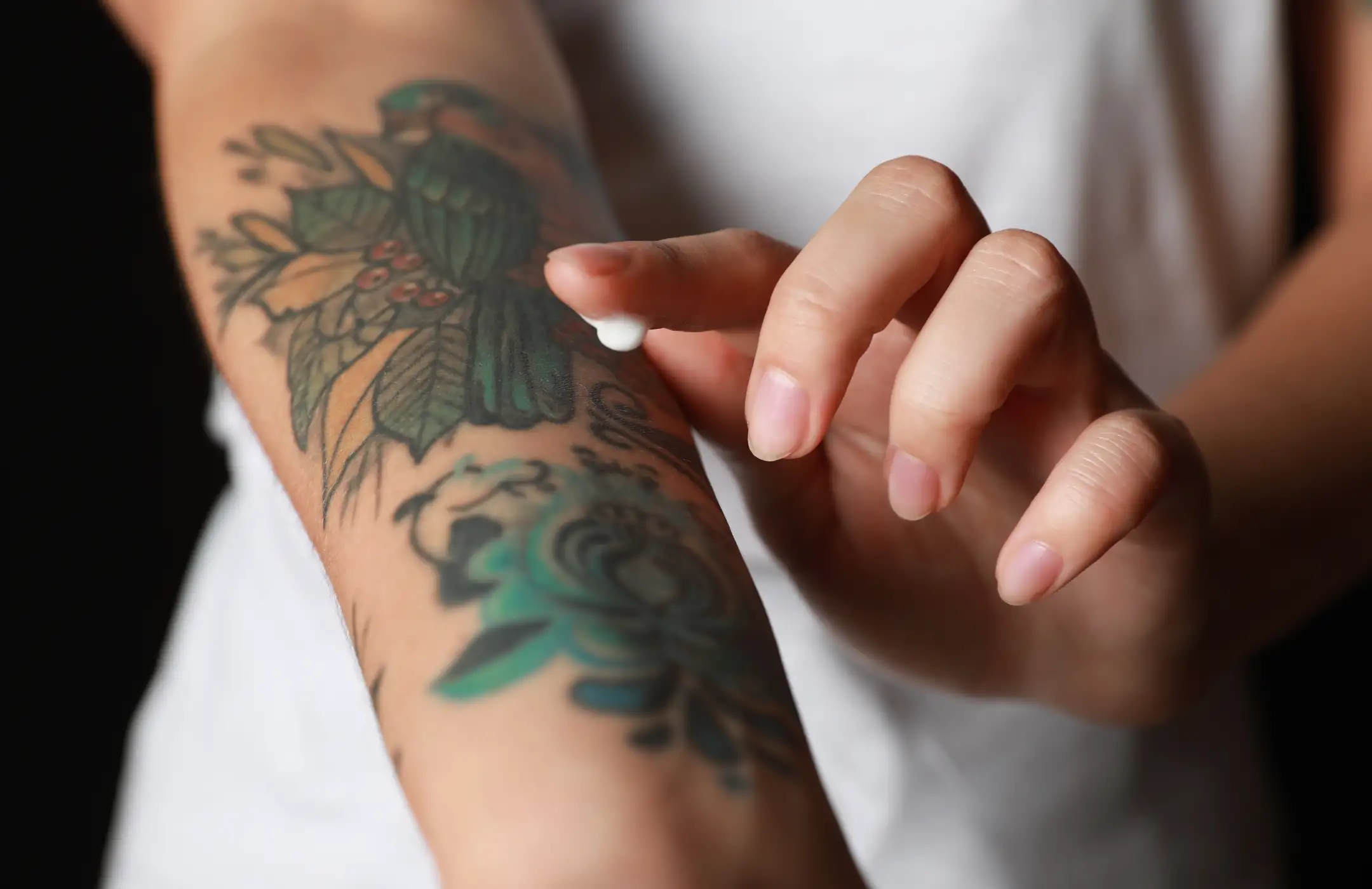
After cleaning, the tattoo usually needs a thin layer of moisturizer or aftercare ointment recommended by the artist.
Moisturizing helps:
- Prevent excessive dryness
- Reduce itching
- Support skin healing
- Keep the tattoo comfortable
However, using too much moisturizer can also create problems because overly wet skin may slow down healing.
Apply only a thin layer and allow the skin to breathe naturally.
Many professional tattoo artists recommend fragrance-free products because strong chemicals and perfumes may irritate sensitive skin.
Avoid Direct Sunlight
Sun exposure is one of the biggest enemies of a fresh tattoo, especially in tropical destinations like Bali.
Fresh tattoos are extremely sensitive to UV rays. Excessive sunlight may cause:
- Fading
- Irritation
- Redness
- Delayed healing
- Uneven color appearance
During the healing period, try to keep the tattoo protected from direct sunlight as much as possible.
After the tattoo fully heals, sunscreen becomes very important to maintain long-term tattoo quality and prevent fading.
Avoid Swimming and Beach Activities
Many travelers get tattoos while enjoying holidays in Bali. However, fresh tattoos should not be exposed to:
- Swimming pools
- Ocean water
- Hot tubs
- Excessive soaking
Saltwater, chlorine, and bacteria may irritate the healing skin and increase infection risk.
Most tattoo artists recommend avoiding swimming for at least two to three weeks depending on the tattoo size and healing condition.
This is why many people prefer getting tattooed near the end of their Bali vacation.
Expect Peeling and Itching
During the healing process, it is completely normal for tattoos to:
- Peel slightly
- Feel itchy
- Become dry
- Develop thin scabs
This is part of natural skin recovery.
One of the biggest mistakes people make is scratching or picking the peeling skin. Doing this may damage the tattoo and remove ink from the healing area.
Instead:
- Keep the tattoo moisturized
- Avoid scratching
- Let the skin heal naturally
Patience is very important during this stage.
Wear Comfortable Clothing
Tight clothing may rub against fresh tattoos and create unnecessary irritation.
Choose soft and breathable clothing that allows the tattoo area to heal comfortably.
This is especially important for:
- Sternum tattoos
- Full sleeve tattoos
- Full back tattoos
- Leg tattoos
- Body contour tattoos
Reducing friction helps prevent discomfort and supports smoother healing.
Stay Hydrated and Healthy
Healthy skin heals faster. Drinking enough water and maintaining good nutrition can help support the body’s natural healing process.
During the healing period:
- Stay hydrated
- Sleep properly
- Avoid excessive alcohol
- Maintain healthy eating habits
The condition of your body often affects how quickly and smoothly the tattoo heals.
Avoid Heavy Sweating
Excessive sweating during the first healing stage may irritate fresh tattoos.
Activities such as:
- Intense workouts
- Long outdoor activities
- Heavy gym sessions
should be minimized temporarily, especially for large tattoos.
Sweat itself is not always dangerous, but excessive moisture and friction can affect healing quality.
Healing Time Depends on the Tattoo
Different tattoos heal at different speeds depending on:
- Size
- Placement
- Detail level
- Skin type
- Aftercare consistency
Small fine line tattoos may heal faster than large full sleeve or full back tattoos.
Generally:
- Surface healing may take 2–3 weeks
- Full skin recovery can take several weeks longer
Even if the tattoo looks healed on the outside, deeper skin layers may still be recovering.
Signs of Healthy Healing
A normally healing tattoo may experience:
- Mild redness
- Light peeling
- Slight itching
- Dryness
These are common parts of recovery.
However, unusual symptoms such as:
- Severe swelling
- Excessive pain
- Pus
- Strong burning sensation
- Spreading redness
may indicate infection and should be checked immediately.
Professional tattoo studios always encourage clients to ask questions during the healing process if they feel uncertain.
Long-Term Tattoo Care
Tattoo aftercare does not stop after the first few weeks. Long-term maintenance also affects how the tattoo looks over the years.
To keep tattoos looking fresh:
- Use sunscreen regularly
- Keep the skin moisturized
- Avoid excessive sun exposure
- Maintain healthy skin condition
Good long-term care helps preserve:
- Sharp lines
- Deep shading
- Color quality
- Overall tattoo appearance
Why Professional Studios Care About Aftercare
Professional tattoo artists understand that their artwork continues healing long after the session ends. This is why experienced studios take aftercare seriously.
A great tattoo experience includes:
- Professional consultation
- Clean procedures
- Artistic quality
- Proper healing guidance
Clients who follow aftercare instructions usually achieve much better final results compared to those who ignore healing recommendations.
Tattoo Healing Is Part of the Experience
For many people, getting tattooed is more than body art. It is a personal experience connected to memories, identity, creativity, and self-expression.
Healing becomes part of that journey.
Taking care of a fresh tattoo shows respect for both the artwork and the artist’s craftsmanship. The better the healing process, the more beautiful and long-lasting the tattoo becomes.
Whether you are getting a minimalist fine line tattoo, ornamental artwork, Nordic design, body contour tattoo, or a full sleeve piece, proper aftercare is one of the most important investments you can make after your tattoo session.
A well-healed tattoo not only looks better but also becomes something you can proudly carry for years to come.